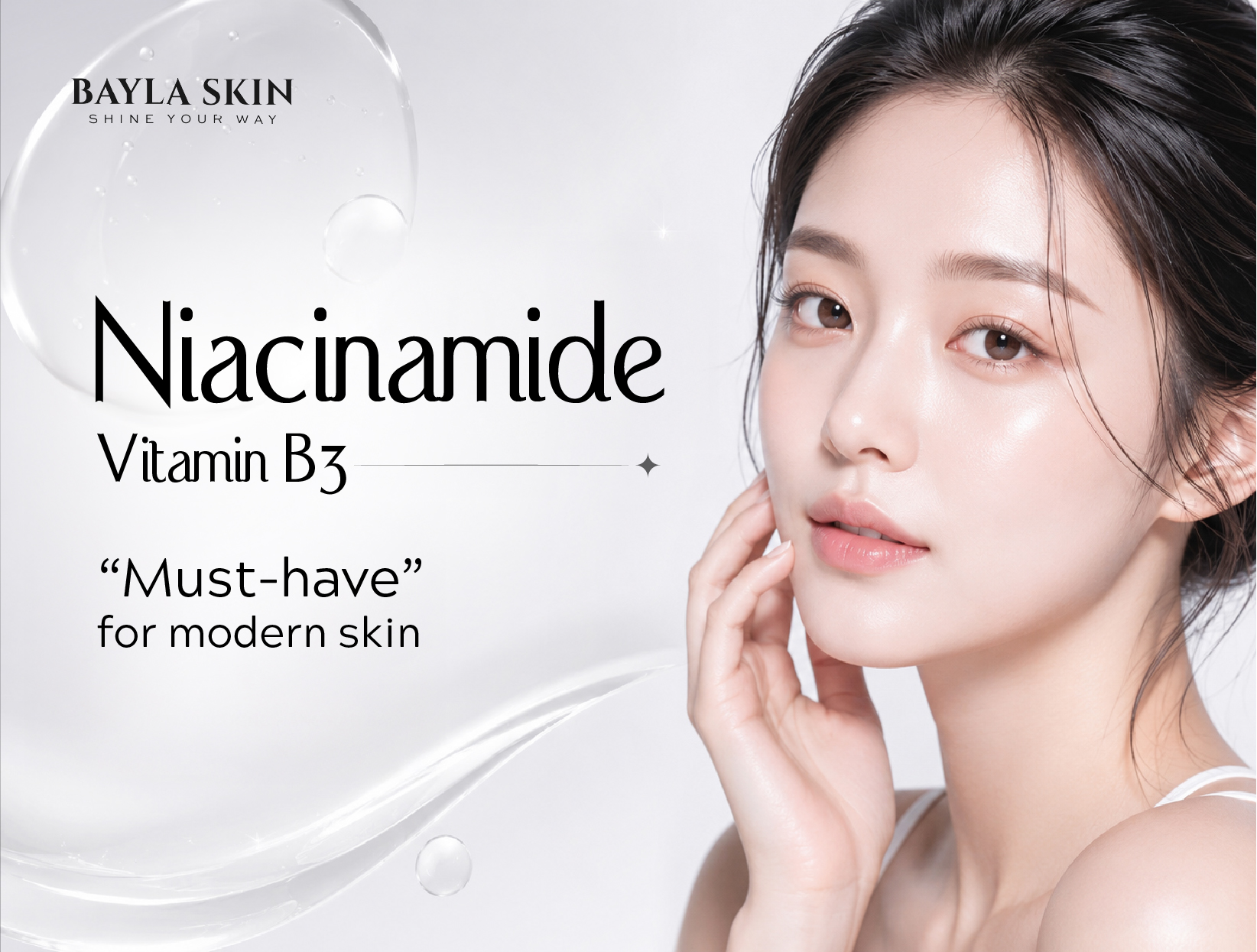
In recent years, niacinamide has become one of the most searched skincare ingredients in the beauty industry. From brightening serums and barrier-repair creams to products designed for oily and acne-prone skin, niacinamide now appears in almost every modern skincare routine.
More than just a derivative of vitamin B3, niacinamide is highly regarded for its multi-functional benefits and ability to support the skin through multiple biological pathways. It helps brighten the complexion, improve post-acne marks, regulate excess oil, strengthen the skin barrier, and reduce visible irritation.
As skincare trends continue to evolve, consumers are no longer focusing solely on aggressive treatment products. Instead, there is a growing emphasis on achieving healthy, resilient, and sustainably balanced skin. This shift is also why modern skincare brands such as Bayla Skin prioritize incorporating niacinamide into formulations that balance efficacy with skin compatibility.
What Is Niacinamide?
Niacinamide, also known as nicotinamide, is a form of vitamin B3 involved in many essential biological processes within the skin.
In skincare, niacinamide is considered a true multi-tasking ingredient due to its ability to:
- Help brighten the skin
- Reduce post-acne pigmentation
- Regulate sebum production
- Improve the appearance of enlarged pores
- Support the skin barrier
- Soothe redness and inflammation
Unlike many potent treatment ingredients that can cause peeling or irritation, niacinamide is known for its stability and compatibility with various skin types, including sensitive or treatment-compromised skin.
This is also one of the reasons why Bayla Skin considers niacinamide a foundational ingredient in its modern skincare development philosophy.
How Niacinamide Works on the Skin
What makes niacinamide a “universal skincare ingredient” is its ability to influence multiple skin functions simultaneously.
Niacinamide helps stimulate ceramide synthesis — a key component of the skin barrier. When the skin barrier becomes stronger, the skin is better able to:
- Retain moisture
- Reduce sensitivity
- Minimize irritation
- Prevent transepidermal water loss
In addition, niacinamide helps regulate inflammation and balance oil production, making it especially suitable for oily, acne-prone, or breakout-prone skin.
In many modern formulations developed by Bayla Skin, niacinamide is often positioned as a “bridge ingredient” between active treatments and skin recovery, helping routines remain more balanced and sustainable.
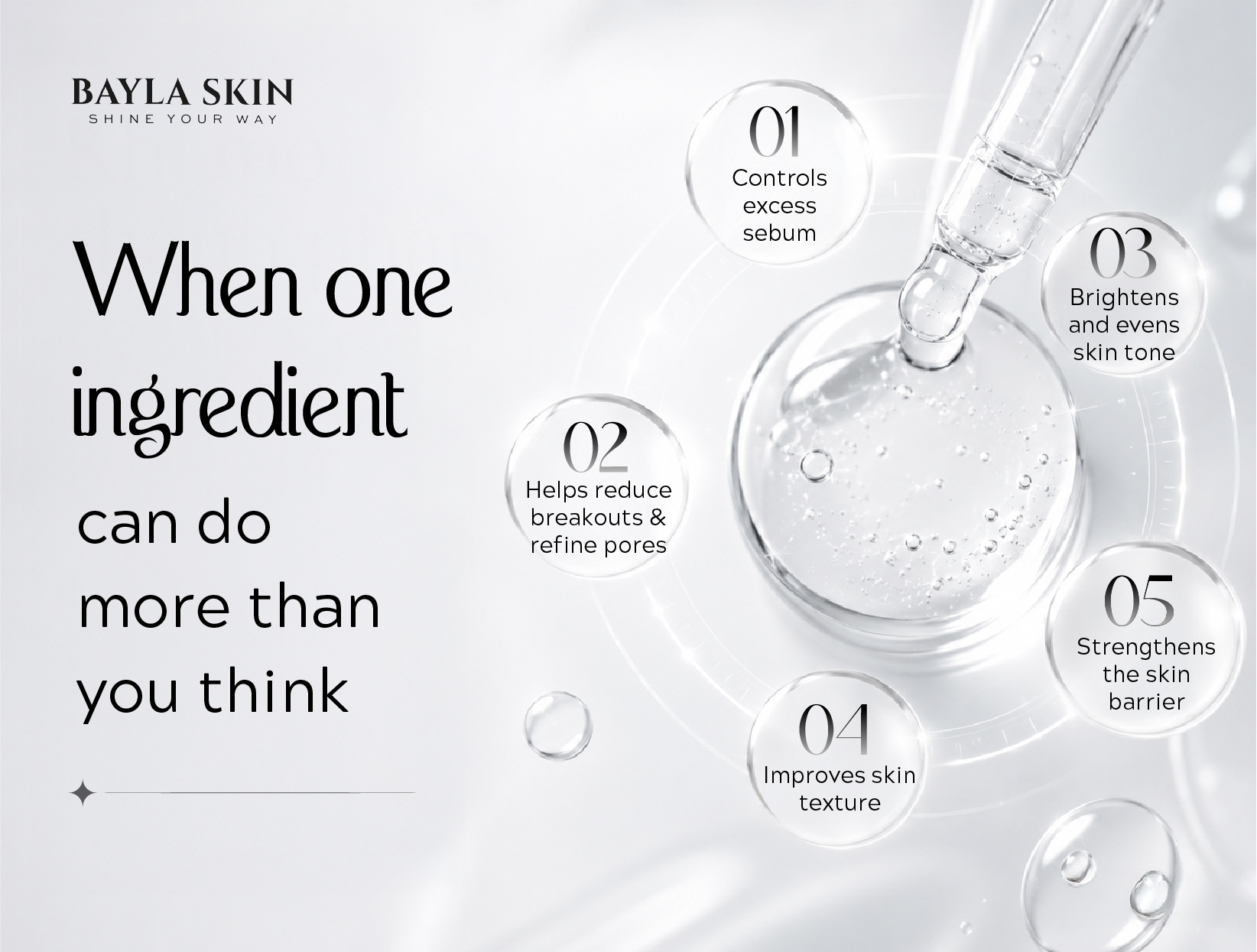
Key Benefits of Niacinamide
Niacinamide for Brightening and Dark Spot Improvement
One of the most sought-after benefits of niacinamide is its ability to improve dullness and post-acne discoloration.
Niacinamide helps inhibit the transfer of melanin to the skin’s surface, which may help:
- Promote a more even skin tone
- Improve acne marks
- Enhance the skin’s natural radiance
Unlike many intensive brightening ingredients that can cause peeling or irritation, niacinamide works in a gentler and more sustainable way.
This aligns with the philosophy embraced by Bayla Skin: improving skin tone while maintaining a healthy and stable skin foundation.
Niacinamide for Oily and Acne-Prone Skin
Niacinamide for oily and acne-prone skin is one of the ingredient’s most popular applications today.
It may help:
- Regulate excess sebum
- Reduce the risk of clogged pores
- Calm inflammatory responses
- Soothe sensitized post-acne skin
For oily skin, maintaining hydration balance while controlling excess oil is essential.
That is why many formulations from Bayla Skin combine niacinamide with hydrating and barrier-supporting ingredients to optimize skin balance without causing excessive dryness.
Niacinamide for Enlarged Pores
Enlarged pores are often associated with excessive oil production and reduced skin firmness.
By helping regulate sebum and improve overall skin texture, niacinamide can help the skin appear smoother and refine the visible appearance of pores over time.
This is why niacinamide serums are commonly included in routines designed for:
- Oily skin
- Combination skin
- Congestion-prone skin
- Textured skin
In modern skincare, this is one of the reasons niacinamide has become a key ingredient in many serum formulations by Bayla Skin.
Niacinamide for Skin Barrier Repair
Modern skincare is no longer focused exclusively on aggressive treatments. Increasingly, the industry is prioritizing skin barrier recovery — often referred to as “skin barrier care.”
When the skin barrier becomes compromised, the skin is more likely to experience:
- Stinging
- Irritation
- Dehydration
- Redness
- Persistent breakouts
Niacinamide helps strengthen the skin barrier by promoting ceramide production and improving the skin’s natural moisture retention.
This is why niacinamide is frequently found in:
- Barrier-repair serums
- Recovery creams
- Sensitive skin formulations
- Post-treatment skincare routines
Many skincare products from Bayla Skin are also developed with a “healthy skin first” philosophy — focusing on building a resilient skin foundation before targeting more advanced concerns.
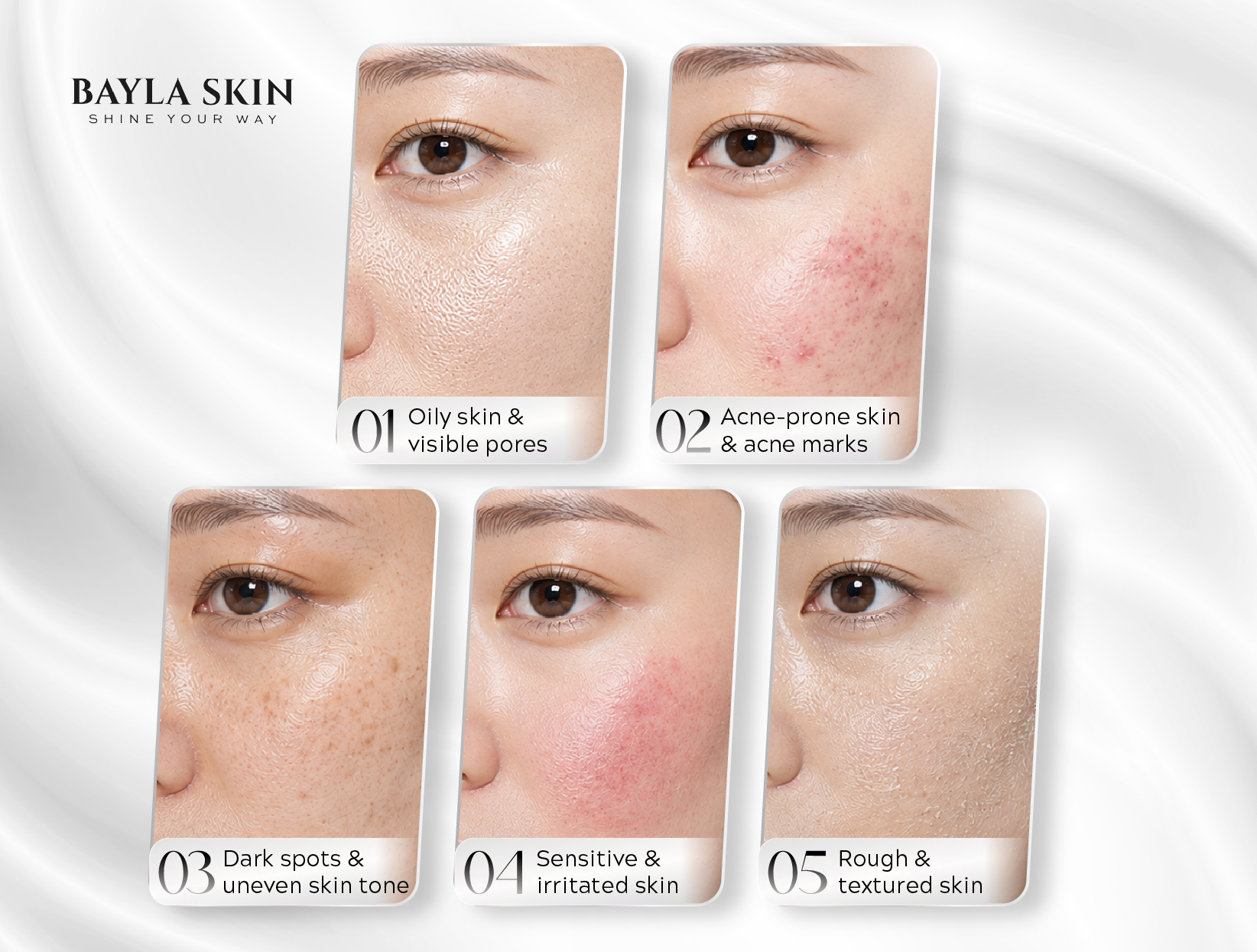
What Percentage of Niacinamide Is Best?
This is one of the most common questions when choosing a niacinamide serum.
In reality, higher concentrations are not always better.
Niacinamide 2–5%
This concentration range is generally suitable for:
- Sensitive skin
- Beginners
- Recovering or compromised skin
It is still effective enough to help:
- Support the skin barrier
- Brighten the complexion gently
- Reduce underlying inflammation
Niacinamide 10%
A 10% niacinamide serum is often more suitable for:
- Oily skin
- Skin with significant post-acne marks
- Experienced users familiar with active ingredients
However, excessively high concentrations may lead to:
- Redness
- Tingling
- Irritation
- Small bumps or breakouts
This is why many modern skincare brands, including Bayla Skin, are shifting toward optimizing the overall formula rather than simply increasing active ingredient percentages.
Effective Ingredient Combinations with Niacinamide
Niacinamide and Retinol
Niacinamide and retinol are one of the most popular ingredient pairings in modern skincare.
While retinol supports intensive skin renewal and anti-aging benefits, it may also cause dryness and irritation. Niacinamide helps by:
- Soothing the skin
- Supporting the skin barrier
- Reducing post-treatment dryness and tightness
This combination strategy is widely used by brands like Bayla Skin to create a better balance between treatment efficacy and skin recovery.
Niacinamide and Vitamin C
In the past, there was a misconception that niacinamide should not be used together with vitamin C. Today, however, the two ingredients are widely recognized as a highly effective brightening combination.
Together, they may help:
- Improve hyperpigmentation
- Enhance skin radiance
- Provide antioxidant protection
This combination has also become a key trend in many modern skincare formulations developed by Bayla Skin.
A Skin Recovery Serum Inspired by the “Healthy Skin” Trend
In modern skincare, niacinamide rarely works alone. It is often combined with barrier-supporting and restorative ingredients to create more comprehensive skincare solutions.
For those seeking a serum focused on skin recovery, brightening support, and texture improvement, the Peptide Plus Serum from Bayla Skin is a noteworthy option within today’s skincare routines.
The formula was developed with a multi-mechanism approach to skincare, helping to:
- Support the skin barrier
- Hydrate dehydrated skin
- Improve skin elasticity
- Soothe post-treatment skin
- Promote healthier, smoother-looking skin
One of the product’s highlights is its combination of peptides with modern skincare actives — a formulation trend currently gaining significant momentum in Korean skincare.
In particular, peptides and niacinamide are considered a highly complementary pairing:
- Niacinamide helps brighten, calm inflammation, and strengthen the skin barrier
- Peptides help support skin recovery and elasticity
This combination is especially suitable for:
- Post-treatment skin
- Sensitive skin
- Dehydrated oily skin
- Skin with post-acne marks
- Early signs of aging
Unlike aggressive treatment serums that may overwhelm the skin, Bayla Skin focuses on building healthy, stable, and sustainably resilient skin — perfectly aligned with the growing “healthy skin” movement in modern skincare.
Conclusion
There is a reason niacinamide is considered one of the most essential ingredients in modern skincare.
From brightening and improving dark spots to oil control and skin barrier recovery, niacinamide offers a more balanced and comprehensive approach to skincare for a wide range of skin types.
However, the effectiveness of niacinamide does not depend solely on high concentrations. It also relies on formulation quality, ingredient synergy, and overall product philosophy.
This is why modern skincare brands such as Bayla Skin are increasingly developing niacinamide-based formulations with a scientific, balanced, and skin-sustainable approach tailored to today’s evolving skincare needs.