The cosmetics industry has long been recognized as one of the most lucrative business sectors, driven by robust consumer demand and seamless customer acquisition via digital platforms. However, when it comes to entrepreneurship, many still harbor the misconception that entering this market requires massive capital.
In reality, numerous successful cosmetics shop owners, sub-agents, and distributors today started with a modest capital of just a few hundred to a few thousand dollars. The true differentiator lies not in the size of the initial investment, but in how strategically that capital is deployed.
For emerging beauty entrepreneurs, the ultimate challenge is not maximizing inventory volume, but optimizing every single dollar to generate long-term value and sustainable profitability.
Does Start a Beauty Brand Require Massive Capital?
The short answer is: Not necessarily.
If you choose to establish an independent cosmetics brand from scratch, your business must invest heavily in product R&D, packaging design, manufacturing, legal compliance, marketing, and operations. This capital-intensive model is best suited for entities with a long-term brand development strategy.
However, for beginners, a distribution or authorized agency model with an established, reputable brand presents a far more pragmatic gateway.
This model offers distinct competitive advantages:
- Eliminates the need for product R&D investments.
- Bypasses complex legal and regulatory compliance hurdles.
- Leverages ready-to-use brand equity and professional marketing collateral.
- Mitigates inventory overhead and operational pressures.
- Enables business initiation with highly flexible capital thresholds.
This explains why an increasing number of entrepreneurs are choosing to launch their beauty ventures through brands that offer established product foundations and robust support systems, rather than building everything from the ground up.
Common Pitfalls that Drain a New Beauty Entrepreneur’s Budget
Before exploring effective capital management strategies, it is crucial to recognize the common pitfalls that cause many startups to falter in their early stages.
Over-importing Inventory Merely for Volume Discounts
A common misconception is that larger order volumes yield lower unit costs. However, dead stock is one of the primary culprits behind frozen cash flow.
A product sitting idle in a warehouse generates zero profit; instead, it severely restricts your capital turnover.
Launching with an Overextended Product Portfolio
Attempting to sell everything to everyone inevitably dilutes your resources.
Novice entrepreneurs often struggle with inventory management, customer consultation, and establishing professional expertise when managing an excessively broad product catalog.
Focusing Solely on Cost of Goods Sold (COGS)
A product with a low wholesale price does not guarantee high sales velocity.
In the beauty industry, product efficacy, brand recognition, and customer retention rates are the true catalysts for long-term commercial success.
How to Strategically Deploy Every Dollar of Capital?
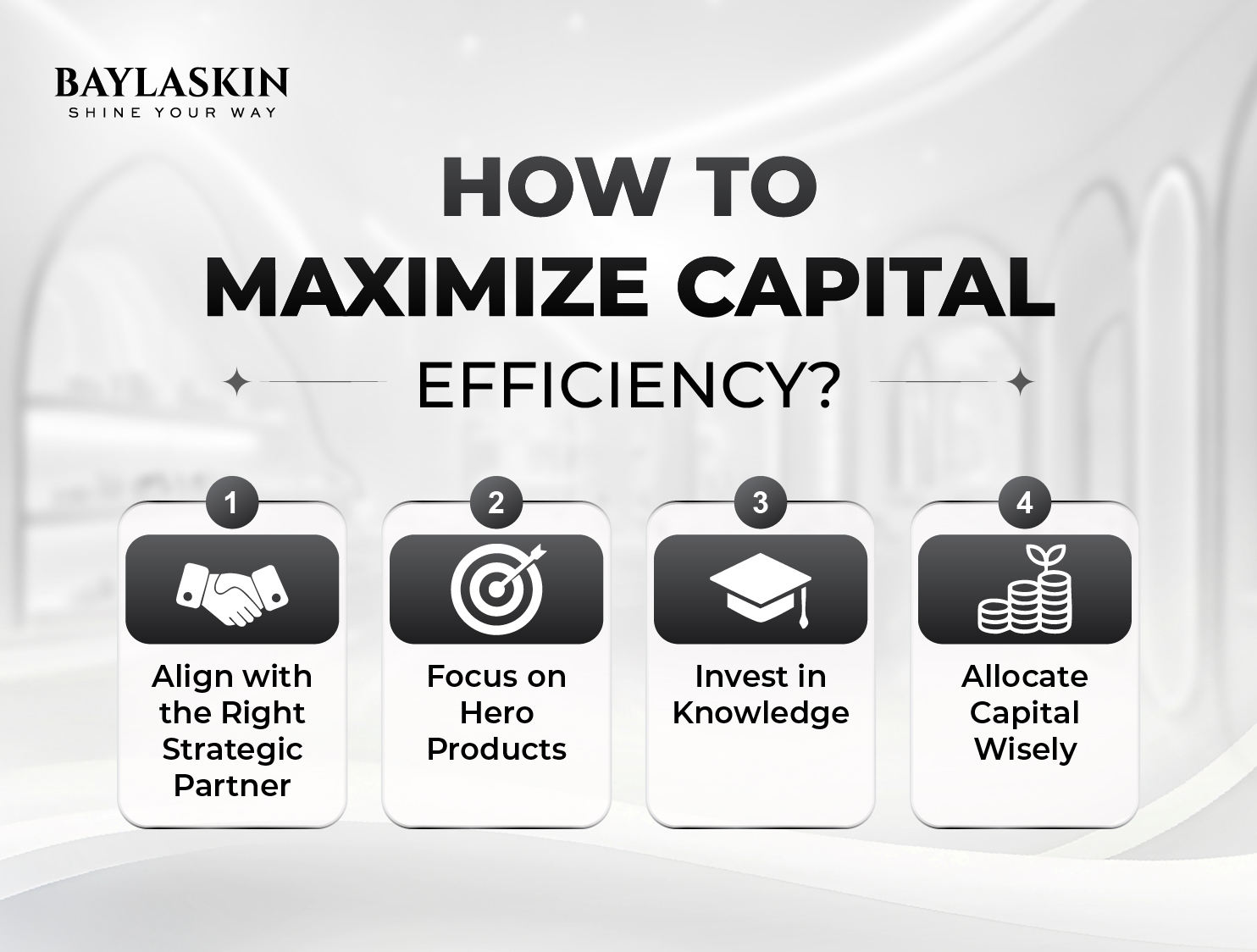
Align with the Right Partner Brand
This is the single most critical factor for emerging beauty entrepreneurs.
A reputable brand not only grants seamless market access but also substantially minimizes operational risks. When products boast transparent sourcing, consistent quality, and professional visual identity, consumer trust is established organically.
Furthermore, brands with structured distributor support systems typically provide comprehensive product imagery, training materials, media content, and tailored sales policies. This allows newcomers to conserve significant time, costs, and organizational resources during the launch phase.
Instead of merely comparing wholesale discounts, evaluate the actual market demand, customer repurchase rates, and the depth of support provided by the brand. These are the true pillars of sustainable profitability.
Anchor on Hero Products
A core principle of capital management is the concentration of resources.
Many beginners make the mistake of importing multiple product lines simultaneously to satisfy every potential customer need. However, this practice often triggers high inventory holding costs and impedes stable revenue generation.
Instead, prioritize “hero products”—high-demand essentials that cater to a broad demographic and command a high repeat-purchase rate.
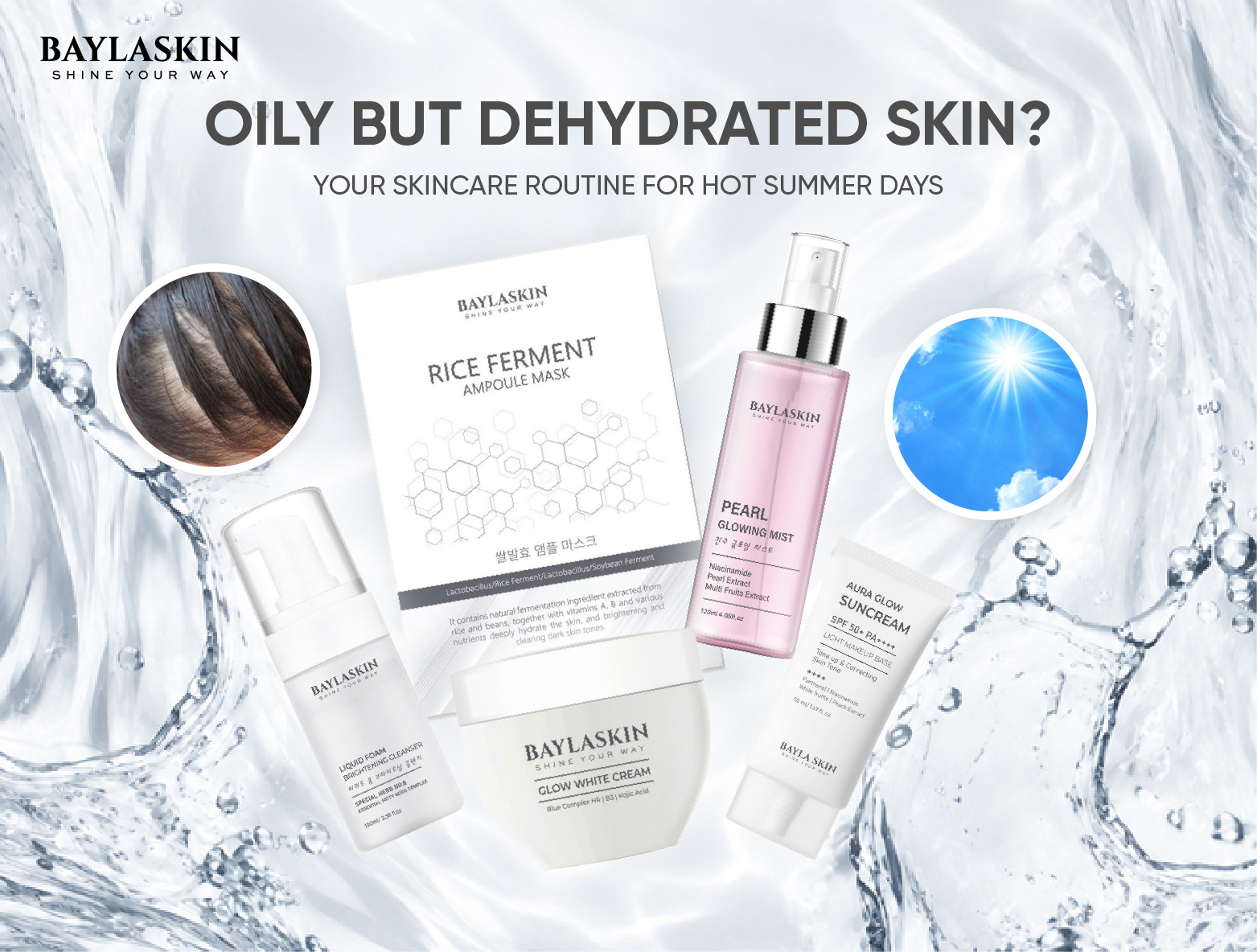
Within the skincare sector, staple categories such as:
- Sunscreens
- Hydrating & Barrier-Repair Serums
- Moisturizers
- Cleansers
- Brightening Treatments
consistently demonstrate stable demand and exceptional customer lifetime value.
Once these hero products secure a steady revenue stream and cultivate a loyal customer base, expanding into auxiliary product lines becomes a significantly safer venture.
Invest in Professional Expertise
In the beauty industry, knowledge yields the highest return on investment.
Modern consumers are no longer just buying a product; they are seeking tailored solutions for their specific skin concerns. They demand transparency regarding ingredients, efficacy, application methods, and clinical results.
The deeper a seller’s understanding of cosmetic science and skincare formulation, the easier it is to foster unbreakable consumer trust.
Investing in domain knowledge enables:
- Enhanced consultation capabilities.
- Higher conversion rates.
- Prevention of inaccurate product recommendations.
- Cultivation of a professional, authoritative brand image.
- Increased customer retention and repeat purchases.
This creates a sustainable competitive advantage that no promotional discount can ever replicate.
Implement a Strategic Capital Allocation Framework
It is not uncommon for beginners to sink almost their entire budget into inventory. However, product sourcing is merely one facet of a comprehensive business operation.
A sound financial blueprint must allocate adequate resources for both sales execution and customer retention.
Emerging beauty entrepreneurs can utilize the following baseline capital allocation framework:
- 50–60% allocated to Inventory Sourcing.
- 20–25% allocated to Marketing and Customer Acquisition.
- 10–15% allocated to Brand Image and Visual Identity.
- Approximately 10% reserved as a Contingency Fund.
Most importantly, prioritize capital liquidity over maximizing inventory volume. An inventory batch that sells out entirely within a single month yields far superior financial efficiency than a massive haul that sits in storage for quarters.
Why BaylaSkin is Becoming the Premier Choice for Emerging Beauty Entrepreneurs
For newcomers, the brand they align with directly dictates their business trajectory.
As the cosmetics market faces heightened regulatory scrutiny regarding sourcing, quality, and supply chain transparency, partnering with the right brand has become a defining variable for anyone launching a beauty venture.
Market data reveals that one of the greatest risks for new entrepreneurs is not a lack of demand, but rather the inadvertent sourcing of products with ambiguous origins, inadequate compliance documentation, or erratic quality. This not only derails sales performance but can irreparably damage business credibility in the long run.
Baylaskin was engineered from inception on the principles of transparency and sustainable growth. The brand’s product lines are researched, formulated, and manufactured through a world-class ecosystem of partners in South Korea—collaborating with top-tier global leaders in cosmetic science and skincare.
Prominent names within this elite network include:
- Rebom Cosmetics: A powerhouse with extensive expertise in R&D and high-end export-quality cosmetics manufacturing.
- Kolmar Korea: A global titan in cosmetics ODM/OEM manufacturing, trusted by the world’s most prestigious beauty brands.
- NewGen Cosmetic: An innovative enterprise specialized in developing cutting-edge cosmetic formulations utilizing advanced modern technologies.
- Cospack Korea: A premier industry leader renowned for high-end cosmetic packaging and sophisticated product finishing solutions.
- Cellicon Lab: A specialized R&D institute dedicated to advanced skincare solutions rooted in biotechnology and life sciences.
By forging alliances with manufacturing giants possessing elite R&D capabilities, BaylaSkin has successfully built a premium product portfolio characterized by impeccable transparency, clean clinical sourcing, and uncompromising efficacy.
For the emerging entrepreneur, this offers a monumental competitive edge. Instead of wasting time verifying supply chains or worrying about product consistency, business owners can focus 100% of their energy on market expansion and driving sales.
Beyond a superior product foundation, Baylaskin offers a highly supportive ecosystem for its distributors and business partners through structured commercial policies:
- Genuine, fully compliant, and transparent product supply.
- Highly competitive wholesale pricing architectures.
- Professional marketing assets and ready-to-use content kits.
- Comprehensive, ongoing product and ingredient training.
- Strategic guidance for long-term commercial scalability.
In a market undergoing rigorous professional consolidation, brands built on international quality standards, scientific backing, and radical transparency will inevitably become the preferred choice for both discerning consumers and smart entrepreneurs. This is the vision that BaylaSkin proudly champions on its journey to empower its national network of partners and distributors.
Conclusion
Launching a beauty business is not an arms race of capital volume; it is a strategic game of resource optimization.
Instead of over-leveraging on massive inventory, new entrepreneurs should prioritize aligning with the right partner brand, anchoring their business on hero products, investing heavily in professional expertise, and managing cash flow with precision.
When every dollar is deployed into the right channel, scaling a boutique beauty venture into a high-performing, professional distribution network becomes a completely achievable reality in the modern cosmetics industry.